Have you ever stopped to think about what really drives a resident’s overall health and independence? That is where intrinsic capacity in senior living communities comes into play.
Intrinsic capacity is defined as the combination of all physical and mental abilities an individual can draw on at any given time. It is a concept central to the framework developed by the World Health Organization on healthy aging. This framework identifies five domains: locomotion, cognition, psychological health, vitality, and sensory capacity. Together, these domains reflect the overall and ever-changing health status of older adults.
Research continues to reinforce how important this concept is. A study published in Frontiers in Public Health highlights how maintaining a higher level of intrinsic capacity supports survival and helps preserve functional independence. In other words, when intrinsic capacity is supported, residents are more likely to maintain their abilities and delay disability. Findings also show that several factors influence intrinsic capacity, including age, nutrition, physical activity, strength, history of falls, and overall medical complexity.
There is also a strong social component. Coverage from McKnight’s Long-Term Care News outlines how social connections and family involvement contribute to improved physical and mental health outcomes. These relationships help reinforce self-worth, encourage engagement, and promote healthier behaviors.
One finding that stands out is the impact of loneliness. Loneliness acts as a stressor. It can trigger inflammatory responses, weaken intrinsic capacity, and increase vulnerability. That is something communities can influence in a meaningful way.
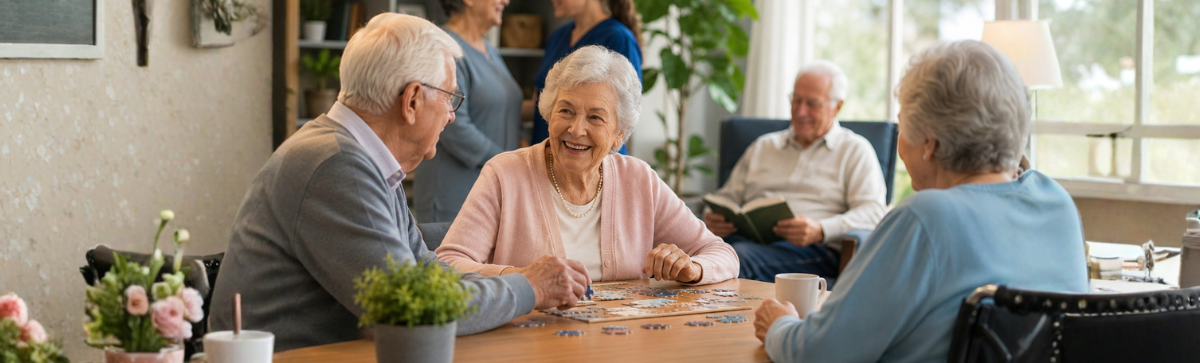
We need to prioritize reducing loneliness by building stronger social connections. This is not always easy, but it is achievable. Take a closer look at your current activity or life enrichment program. Are there gaps during the day when residents are left without engagement? When activities are offered, are residents actively participating or simply present without involvement?
Talk with your resident council and ask direct questions about programming. You may assume certain activities are not well received, when in reality residents enjoy them. It is also worth considering who is leading those conversations. If the activity director is running the meeting, residents may hesitate to share concerns. Having another leader facilitate can create a more open dialogue.
Supporting intrinsic capacity in senior living communities is not just about clinical care. It is about recognizing the full picture of a resident’s health, including physical, cognitive, and social well-being. Small adjustments in engagement and connection can have a meaningful impact on outcomes.
Stay well and stay informed!