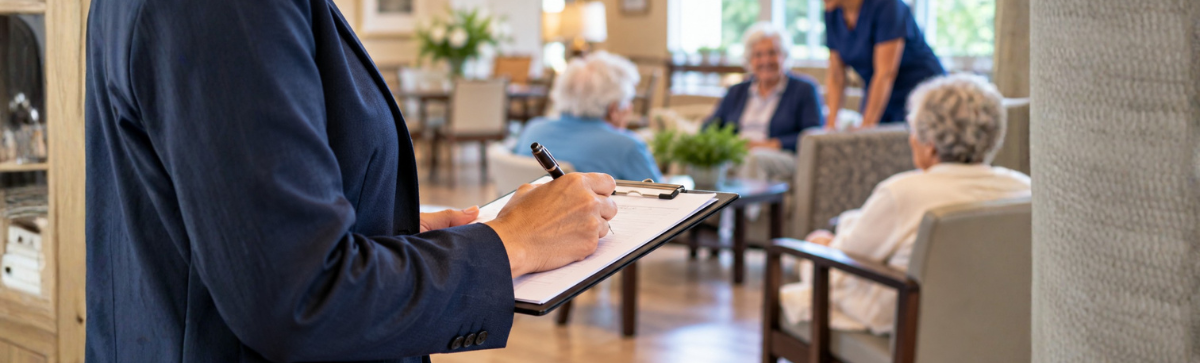

Pain is common among people living with dementia and is associated with negative outcomes for both residents and caregivers. In fact, between 36.1% and 75.8% of people living with dementia experienced pain during the past month. Pain can have many causes, including arthritis, fractures, infections, and injuries from falls. Because recognizing discomfort can be difficult in this population, pain assessment in dementia is especially important.
Sadly, pain is a common but underrecognized symptom for people living with dementia. As a result, residents may experience untreated discomfort and reduced quality of life. Pain can also lead to reduced mobility, muscle weakness, and loss of independence. In addition, residents may withdraw socially and become disengaged from activities and relationships. This can contribute to irritability, anxiety, and sadness.
As healthcare professionals, it is important to understand the ramifications of untreated pain in residents living with dementia. Assessment can be challenging. However, several validated tools are available to help identify pain when a resident has limited ability to communicate:
- PAINAD Scale (Pain Assessment in Advanced Dementia) – This tool assesses five indicators, including breathing, vocalization, facial expressions, body language, and consolability.
- PACSLAC (Pain Assessment Checklist for Older Adults with Limited Ability to Communicate) – This 60-item checklist covers facial expressions, activity level, body movements, mood and social interaction, vocalizations, and physiological signs.
- ePAT (Electronic Pain Assessment Tool) – This mobile tool allows trained caregivers and clinicians to record and track pain-related behaviors over time.
Remember, pain in dementia is real, common, and treatable. Because residents may not be able to report pain verbally, structured nonverbal assessment tools can be essential for timely detection and intervention. Early and consistent pain assessment in dementia supports comfort, dignity, and quality of life for residents.
Consider discussing pain assessment at your next QAPI meeting. Observe residents in your memory care unit and watch for outward signs of a change in condition. Changes in behavior may be associated with untreated pain and warrant further assessment. Your residents are depending on you.
Stay well and stay informed!